

NEWS
Maximizing Efficiency with Low-Power 60A Industrial Relays
Updated:
2025-06-04 13:40
1. Introduction
Low-power 60A industrial relays serve as essential switches in electrical circuits, allowing for the control of larger loads without directly handling high currents. These relays typically feature electromagnetic mechanisms, which open and close contacts to control electrical flow. The **power efficiency** of these relays is particularly advantageous in applications where energy consumption is a concern.
Understanding how these relays function and their roles in various systems can significantly impact operational efficiency. They are integral in automation, helping to reduce energy consumption and improve the overall performance of industrial processes.
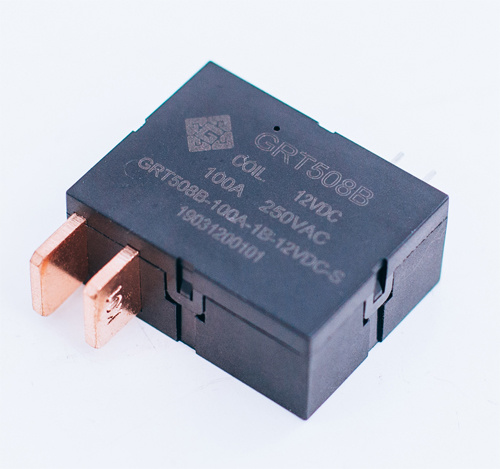
2. Benefits of Using Low-Power 60A Industrial Relays
2.1 Energy Efficiency
One of the primary advantages of low-power 60A industrial relays is their energy efficiency. By consuming less power during operation, these relays contribute to lower energy bills and a reduced carbon footprint. Manufacturers can achieve significant cost savings in the long run.
2.2 Enhanced Reliability
Low-power industrial relays are designed for durability and reliability. With fewer components at risk of failure due to overheating, these relays provide a longer operational lifespan, ensuring that machinery and processes remain uninterrupted.
2.3 Compact Design
These relays often come in compact sizes, making them suitable for installations with space constraints. Their design allows for easy integration into various systems, enhancing overall system design and efficiency.
3. Applications of Low-Power 60A Industrial Relays
3.1 Manufacturing Automation
Low-power 60A industrial relays are commonly used in manufacturing automation systems. They control motors, sensors, and other devices, ensuring seamless operation in production lines.
3.2 HVAC Systems
Heating, ventilation, and air conditioning (HVAC) systems often utilize these relays to manage heating elements and fans while optimizing energy use, thereby maintaining comfortable environments efficiently.
3.3 Renewable Energy Systems
In renewable energy applications such as solar and wind, low-power 60A relays play an essential role in managing power distribution and protecting systems from overloads.
3.4 Lighting Control
These relays can be employed in lighting control systems, allowing for efficient switching and dimming of lights, drastically reducing energy consumption in both commercial and residential settings.
4. Technical Specifications of Low-Power 60A Industrial Relays
When selecting a low-power 60A industrial relay, understanding the technical specifications is crucial. Here are some key specifications to consider:
4.1 Coil Voltage and Current
The coil voltage and current dictate how much power the relay requires to operate, which is important for ensuring compatibility with existing systems.
4.2 Contact Ratings
Contact ratings specify the maximum load the relay can handle, ensuring it can manage the specific requirements of the application without risking failure.
4.3 Response Time
The response time of a relay indicates how quickly it can switch on and off, which is essential for applications requiring rapid changes in control.
4.4 Operating Temperature Range
It's essential to choose a relay that can operate effectively within the intended environmental conditions, ensuring longevity and reliability.
5. Installation Guidelines for Low-Power 60A Industrial Relays
Proper installation is paramount to the performance of low-power 60A industrial relays. Here are some guidelines to follow:
5.1 Understand Wiring Requirements
Before installation, familiarize yourself with the wiring requirements. This includes understanding the relay's pin configuration and ensuring the correct connections are made to prevent damage.
5.2 Use Proper Mounting Techniques
Ensure the relay is securely mounted to prevent vibration and movement, which can lead to failure over time. Utilize appropriate mounting hardware as specified by the manufacturer.
5.3 Follow Safety Procedures
Implement safety procedures during installation, such as turning off power to the system and using appropriate personal protective equipment (PPE) to minimize risks.
6. Maintenance Practices for Longevity
Regular maintenance can significantly extend the life of low-power 60A industrial relays. Here are some maintenance practices to consider:
6.1 Periodic Inspections
Conduct periodic inspections to identify any signs of wear or damage. Look for discoloration, corrosion, or loose connections that may indicate issues.
6.2 Cleaning
Keep the relays clean and free from dust and debris, which can interfere with their operation. Use a soft brush or vacuum to remove particles without damaging components.
6.3 Testing
Regularly test the relays to ensure they respond correctly to control signals. This can help detect potential problems before they lead to failure.
7. Troubleshooting Common Issues
Despite their reliability, low-power 60A industrial relays may encounter issues. Here are some common problems and their solutions:
7.1 Relay Not Activating
If the relay does not activate, check the coil voltage to ensure it matches specifications. Inspect wiring for loose connections or breaks.
7.2 Overheating
Overheating can signify excessive load. Evaluate the application requirements and ensure the relay is not overloaded beyond its specifications.
7.3 Contact Welding
Contact welding can occur due to arcing or excessive current. Implement snubber circuits or ensure that the relay is rated for the load it is controlling.
Low-power 60A industrial relays offer a multitude of benefits, including improved energy efficiency, enhanced reliability, and compact form factors. Their applications span various industries, making them indispensable in modern automation and control systems. By understanding their specifications, installation guidelines, and maintenance practices, businesses can leverage these relays to maximize operational efficiency and reduce energy costs. Investing in low-power 60A industrial relays not only enhances performance but also supports a more sustainable future in industrial operations.
Related News
Address: No.9, Linhu Avenue, Yaozhuang Town, Jiashan County, Jiaxing City, Zhejiang Province
Telephone:+86-573-84776266 / 84775557 / 84775558 / 84775559
Fax: +86-573-84776699
E-mail: sales7@great-relay.com
Website: www.grtrelay.com

Scan to follow us on Wechat